Exhaust Systems and Their Importance in Modern Vehicles
The Exhaust system is one of the most critical yet often underestimated components of a vehicle. Its primary responsibility is to safely channel combustion gases away from the engine while controlling noise, emissions, and overall performance. A properly functioning exhaust system directly influences fuel efficiency, engine power, and driving comfort. Modern vehicles rely on advanced exhaust designs to meet emission regulations while maintaining optimal airflow. Understanding how exhaust systems operate helps vehicle owners recognize issues early and maintain long-term mechanical reliability.
How Exhaust Systems Support Engine Function
An exhaust system begins at the engine and extends to the rear of the vehicle, guiding hot gases through a controlled path. This process reduces back pressure, allowing the engine to breathe efficiently. When gases exit smoothly, combustion cycles remain balanced, supporting consistent power delivery. Any disruption in exhaust flow can cause power loss, increased fuel consumption, and uneven engine behavior. The exhaust system is therefore not just a waste outlet but an active contributor to engine health and efficiency.
Key Components That Shape Exhaust Performance
Each exhaust system consists of multiple interconnected parts working together. The exhaust manifold collects gases from the engine cylinders, while pipes transport them downstream. Catalytic converters reduce harmful emissions, and mufflers manage sound levels. Sensors monitor gas composition to ensure optimal combustion. When one component underperforms, it can affect the entire system. Understanding this interconnected structure highlights why routine inspection of exhaust components is essential for maintaining consistent vehicle performance.
Common Symptoms of Exhaust Issues
Exhaust-related problems often present subtle symptoms before becoming severe. Drivers may notice louder-than-usual engine noise, vibrations during acceleration, or reduced throttle response. In some cases, fuel efficiency declines without obvious explanation. These signs usually indicate airflow disruption, leaks, or component wear. Addressing exhaust symptoms early prevents further mechanical stress and avoids higher repair costs. Consistent awareness allows drivers to act before minor issues escalate into system-wide failures.
Impact of Exhaust on Fuel Efficiency
Efficient exhaust flow supports proper air-fuel mixture and combustion timing. When exhaust gases exit freely, the engine operates with less resistance, consuming fuel more efficiently. Blockages or leaks disrupt this balance, forcing the engine to work harder. Over time, this inefficiency increases fuel expenses and accelerates wear. Maintaining a healthy exhaust system is therefore a practical strategy for improving mileage and reducing long-term operating costs.
Emissions Control and Environmental Responsibility
Modern exhaust systems are designed to minimize environmental impact by filtering and neutralizing harmful gases. Catalytic converters transform pollutants into less harmful substances before release. Oxygen sensors help maintain ideal combustion ratios, reducing unnecessary emissions. A malfunctioning exhaust system compromises these processes, increasing pollution output. Proper exhaust maintenance supports cleaner air and ensures compliance with emission regulations, making it a key element of responsible vehicle ownership.
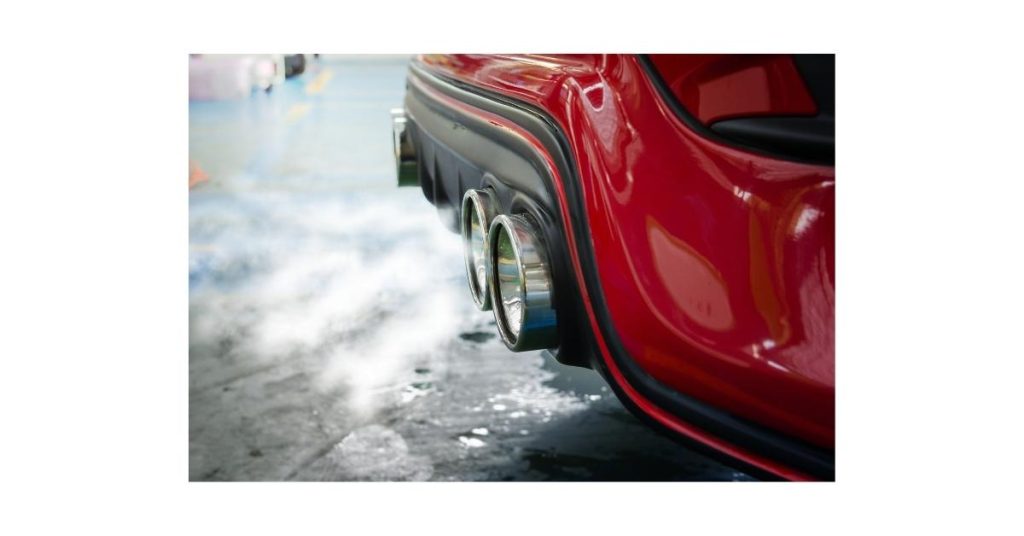
Exhaust Noise and Driving Comfort
Noise control is a primary function of the exhaust system. Mufflers and resonators are engineered to reduce engine sound without restricting airflow. When these components deteriorate, noise levels increase, affecting driving comfort and potentially violating noise regulations. Excessive exhaust noise often signals internal damage or leaks. Addressing these issues restores a quieter ride and prevents further deterioration of surrounding components.
Long-Term Effects of Exhaust Neglect
Ignoring exhaust problems can lead to significant mechanical consequences. Leaks may expose nearby components to excessive heat, damaging wiring or underbody materials. Increased back pressure can strain engine components, reducing lifespan. Over time, unresolved exhaust issues can contribute to costly repairs beyond the exhaust system itself. Proactive maintenance ensures the exhaust continues to support engine performance rather than becoming a source of ongoing problems.
Preventive Maintenance for Exhaust Longevity
Routine visual inspections help identify rust, loose mounts, or damaged pipes early. Listening for unusual sounds during startup or acceleration provides additional clues. Keeping the undercarriage clean reduces corrosion risks, especially in harsh driving conditions. Timely replacement of worn parts prevents small issues from escalating. Preventive care ensures the exhaust system remains efficient and reliable throughout the vehicle’s lifespan.
Professional Evaluation Versus Owner Awareness
While professional inspections provide detailed diagnostics, owner awareness plays a crucial role in early detection. Understanding how the exhaust system behaves under normal conditions helps drivers notice deviations quickly. Reliable resources such as Exhaust offer valuable insights into system behavior, common problems, and maintenance practices. Combining professional evaluation with informed ownership creates a balanced approach to exhaust care.
Why Exhaust Knowledge Matters for Every Driver
An informed understanding of exhaust systems empowers drivers to make better maintenance decisions. Awareness reduces unexpected breakdowns, improves fuel economy, and enhances driving comfort. The exhaust system influences nearly every aspect of vehicle operation, from emissions to performance. Staying informed through trusted platforms like Exhaust ensures that drivers can maintain efficiency, safety, and long-term reliability with confidence.