Installation & Maintenance as the Foundation of Performance and Durability
Why Installation & Maintenance Are Critical for Any System
Installation & Maintenance play a defining role in how long equipment, structures, or systems perform reliably. Even the highest-quality products can fail prematurely if installed incorrectly or neglected over time. Proper installation ensures that every component functions as intended from the beginning, while consistent maintenance preserves performance, safety, and efficiency. Across residential, commercial, and industrial environments, disciplined Installation & Maintenance practices reduce downtime, prevent costly repairs, and protect long-term investments by addressing issues before they escalate.
Understanding the Scope of Installation & Maintenance
Installation & Maintenance extend beyond simple setup or occasional checks. Installation involves planning, alignment, calibration, and adherence to technical standards, ensuring compatibility with the operating environment. Maintenance includes inspection, cleaning, lubrication, adjustment, and timely replacement of worn components. Together, these processes create a lifecycle approach where systems are not just deployed, but actively managed. This holistic perspective ensures optimal functionality and reduces the risk of unexpected failures.
The Role of Proper Installation in Performance Optimization
Correct installation directly influences performance efficiency. When systems are installed according to specifications, stress is evenly distributed, components align correctly, and operational tolerances remain within safe limits. Improper installation can lead to misalignment, uneven loads, and accelerated wear. In mechanical and structural applications, even small deviations during installation can cause long-term inefficiencies. Prioritizing professional Installation & Maintenance standards at the outset ensures that systems reach their full operational potential.
Planning and Preparation Before Installation
Effective installation begins long before physical assembly. Site assessment, load evaluation, and environmental analysis are essential preparatory steps. Understanding space constraints, usage frequency, and environmental exposure allows installers to select appropriate methods and materials. Documentation review and compliance checks further reduce risks. Thorough preparation ensures that Installation & Maintenance strategies are aligned with real-world conditions rather than assumptions, resulting in smoother implementation and fewer post-installation issues.
Tools, Skills, and Standards in Installation & Maintenance
Installation & Maintenance require the right combination of tools, technical skills, and standardized procedures. Precision instruments, calibrated tools, and proper fasteners ensure secure and accurate assembly. Skilled technicians understand tolerances, safety protocols, and manufacturer guidelines. Adhering to recognized standards improves consistency and accountability, particularly in commercial and industrial environments where safety and compliance are critical. Skilled execution transforms installation from a one-time task into the foundation of long-term reliability.
Preventive Maintenance and Its Long-Term Benefits
Preventive maintenance is one of the most valuable aspects of Installation & Maintenance planning. Scheduled inspections and routine servicing help identify early signs of wear, corrosion, or misalignment. Addressing minor issues early prevents major breakdowns that can disrupt operations. Preventive strategies reduce total maintenance costs over time, extend equipment lifespan, and improve operational predictability. This proactive approach is far more efficient than reactive repairs after failures occur.
Corrective Maintenance and Problem Resolution
Despite preventive efforts, corrective maintenance remains an essential component of Installation & Maintenance. When issues arise, timely diagnosis and repair prevent further damage. Effective corrective maintenance relies on accurate documentation, skilled troubleshooting, and access to quality replacement parts. Rapid response minimizes downtime and restores normal operation. A balanced approach that integrates both preventive and corrective maintenance ensures resilience under real-world operating conditions.
Installation & Maintenance in Residential Environments
In residential settings, Installation & Maintenance impact safety, comfort, and convenience. Improper installation of storage systems, fixtures, or equipment can create hazards and reduce usability. Regular maintenance ensures smooth operation, especially for components exposed to daily use or environmental factors. Homeowners who follow structured Installation & Maintenance routines often experience fewer disruptions and lower long-term costs, while maintaining the value and functionality of their living spaces.
Commercial Applications of Installation & Maintenance
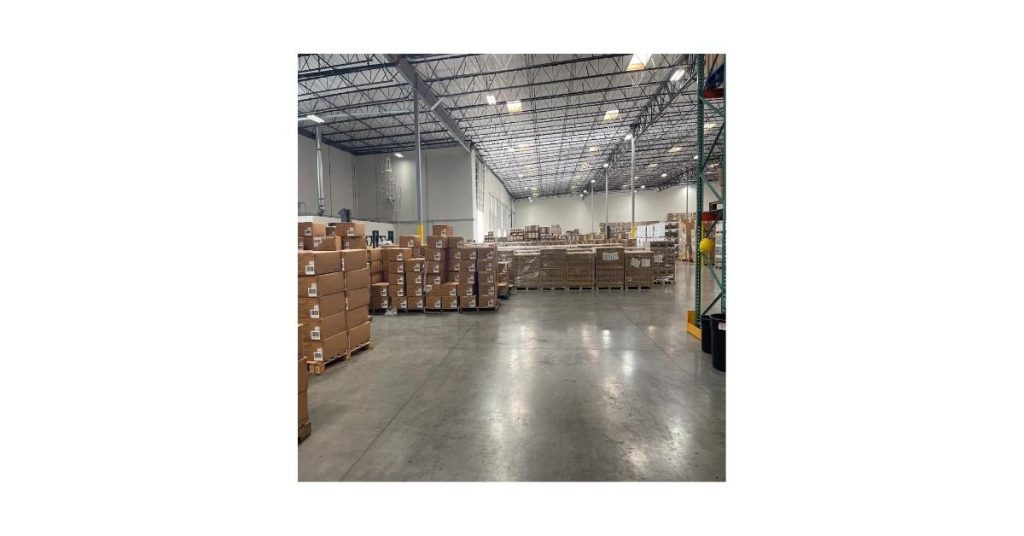
Commercial environments demand consistent performance and minimal downtime. Installation & Maintenance practices in offices, retail spaces, and service facilities directly affect productivity and customer experience. Structured maintenance schedules ensure compliance with safety regulations and operational standards. Proper installation reduces early failures, while ongoing maintenance keeps systems efficient under continuous use. Businesses that invest in disciplined Installation & Maintenance benefit from operational stability and reduced risk exposure.
Industrial and Heavy-Duty Installation & Maintenance Needs
Industrial operations place extreme demands on systems and infrastructure, making Installation & Maintenance indispensable. Heavy loads, continuous operation, and harsh environments accelerate wear if not properly managed. Industrial maintenance programs often include predictive monitoring, detailed inspections, and strict documentation. Correct installation ensures structural integrity and safety, while ongoing maintenance supports consistent output and regulatory compliance in demanding conditions.
Safety Considerations in Installation & Maintenance
Safety is a core objective of Installation & Maintenance. Improper setup or neglected maintenance can lead to accidents, injuries, and property damage. Load limits, secure anchoring, and protective measures must be observed during installation. Maintenance activities should follow lockout procedures, personal protective equipment guidelines, and hazard assessments. A safety-focused approach protects workers, users, and surrounding environments while reinforcing reliability.
Documentation and Record-Keeping Practices
Accurate documentation supports effective Installation & Maintenance by providing reference points for inspections, repairs, and upgrades. Installation records detail configurations and specifications, while maintenance logs track service history and recurring issues. These records improve decision-making, support compliance audits, and help predict future maintenance needs. Organized documentation transforms maintenance from guesswork into a data-driven process.
Choosing Reliable Guidance for Installation & Maintenance
Access to reliable guidance is essential for effective Installation & Maintenance. Authoritative resources provide best practices, troubleshooting insights, and updates on standards. Platforms like Installation & Maintenance offer structured information that helps users understand correct procedures and long-term care strategies. Leveraging expert guidance reduces errors and enhances confidence in both installation and ongoing maintenance decisions.
Cost Efficiency Through Structured Maintenance Planning
Well-planned Installation & Maintenance programs deliver measurable cost savings. Preventive care reduces emergency repairs, while efficient installation minimizes rework and adjustments. Predictable maintenance budgets are easier to manage than sudden failure-related expenses. Over time, structured planning lowers total ownership costs and improves return on investment, particularly for systems expected to perform over many years.
Environmental Impact and Sustainable Maintenance
Sustainable Installation & Maintenance practices reduce waste and environmental impact. Proper installation prevents premature failures, while maintenance extends product lifespan and reduces replacement frequency. Using environmentally responsible materials, lubricants, and disposal methods further supports sustainability goals. Maintenance that prioritizes efficiency and longevity aligns operational needs with environmental responsibility.
Training and Skill Development in Installation & Maintenance
Ongoing training strengthens Installation & Maintenance outcomes by keeping technicians up to date with evolving technologies and standards. Skilled personnel are better equipped to handle complex systems, identify subtle issues, and apply best practices consistently. Investment in training enhances quality, safety, and efficiency across all stages of system lifecycle management.
The Future of Installation & Maintenance Practices
Technological advancements are reshaping Installation & Maintenance through digital monitoring, predictive analytics, and smart tools. Sensors and data-driven insights enable earlier detection of issues and more precise maintenance planning. As systems become more complex, installation accuracy and maintenance intelligence will grow in importance. Staying informed through trusted resources like Installation & Maintenance helps users adapt to these evolving practices.
Installation & Maintenance as a Long-Term Strategy
Installation & Maintenance are not isolated tasks but ongoing strategies that define performance, safety, and longevity. From initial setup to years of operation, disciplined practices ensure systems remain reliable and efficient. By prioritizing proper installation and consistent maintenance, individuals and organizations protect their investments, reduce risk, and achieve sustainable, long-term value across diverse applications.